

A storage unit is a great way to free up space at home or in the office. However, if the storage unit is not well-organized, it can soon become messy and challenging to control. Many people struggle to locate their items in disorganized storage areas.
Whether your storage facility is in Maryland, Northern Virginia, or Washington, D.C., it’s crucial to keep it orderly and easily accessible. A well-organized unit allows you to locate things quickly, protect your possessions, and maximize your space.
This page provides seven easy ideas for organizing your storage space. These guidelines help you keep your space neat and practical, whether you store seasonal goods, company inventory, or personal items.
1. Choose the Right Storage Unit Size
Staying orderly starts with choosing the proper storage unit size. If the unit is too small, you will soon run out of space. If it is overly big, you could pay for additional space you never need.
First, jot down everything you intend to keep. Sort similar items to project your required space consumption. Many DC storage facilities in Maryland, Northern Virginia, and Washington, D.C., offer units in several sizes. Some also offer climate-regulated choices for fragile goods, including furniture, electronics, and clothes.
Consider also your future storage requirements. Choosing a slightly bigger unit could be a good option if you intend to add more things gradually. Having the correct storage space makes managing your possessions much easier.

2. Use Clear Plastic Bins Instead of Cardboard Boxes
Cardboard boxes are common storage options, but clear plastic bins are a much better. They allow you to view what is within without opening the bins, which saves time when looking for particular objects.
Plastic containers also provide superior defense in the D.C. metro area, where humidity levels vary. They do not absorb moisture like cardboard, lowering the risk of mildew and mold. This is crucial for books, clothes, and documents.
Clearly label every bin to keep it exceptionally orderly. Though you can see inside, a label helps you quickly find items. Stack bins neatly, with heavy items on the bottom and lighter ones on top. This approach keeps your unit clean and prevents harm to your possessions.
3. Create A Layout Plan Before Moving In
Before packing your storage space, spend some time planning. Consider how often you will need such products. Store seldom-used objects toward the rear and arrange regularly used goods next to the door.
If you use a storage facility in Maryland, Northern Virginia, Washington, D.C., or another state, consider seasonal variations. Winter holiday decorations and jackets should be easily accessible, while summer outdoor tools and sports equipment should take center stage.
Leave a clear walkway down the middle of the unit. This allows you to move around without shifting everything. Every visit to your storage facility will save you time and work using a good plan.

4. Install Shelving for Better Organization
Shelves maximize space and help keep a storage room neat. Instead of piling boxes atop one another, use shelves to keep goods orderly and accessible.
Several D.C. metro area storage facilities allow clients to use freestanding shelves. Choose robust, long-lasting shelves that can support bulky objects without bending. For stability, place heavy products on lower shelves and delicate goods on higher levels.
Shelving also helps prevent floor clutter from building up. If you visit your storage facility often, you can quickly access your requirements without shifting several boxes. A neat area protects your items and saves time.
5. Label Everything Clearly
Labels are essential for an organized storage unit. Over time, you will quickly forget where things are, even if you believe you will recall them. Clear labels enable fast item searches without opening every box.
Label boxes and containers with big, striking labels. Use precise language in your descriptions. For example, call the items “kitchen plates and utensils,†not “kitchen stuff.†If you save seasonal goods, note a date or category, like “Winter Clothes—2024.â€
For added ease, create an essential list of everything in your apartment. Some people even make a short map showing the locations of several boxes. This is helpful if you share the apartment with family members or keep many things.

6. Protect Your Items from Dust and Damage
Protecting your items is crucial since storage facilities might gather dust over time. Fragile objects should be packed in bubble wrap or padded materials, and furniture should be covered with protective sheets.
D.C., Northern Virginia, and Maryland have climate-controlled storage facilities ideal for fabrics, books, electronics, and furniture. These facilities help shield against damage from high heat and humidity. Also, silica gel packets lessen moisture accumulation in storage bins.

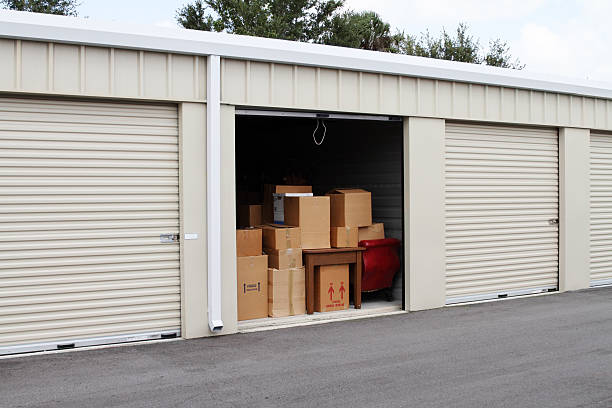



7. Check and Reorganize Your Storage Unit Regularly
Even with the best arrangement, your storage unit needs routine upkeep. Things could change with time, and you might add new things. A simple visit every few months keeps everything orderly.
Regular storage visits might be beneficial whether your residence is in Maryland, Northern Virginia, or D.C. Look for any indication of pests, wetness, or dust. If you see clutter beginning to develop, spend some time reorganizing.
Eliminate anything you might not need to make room. If you find any objects challenging to move, consider rearranging your space. Although maintaining organization in your apartment is a continuous effort, it will simplify future visits.
Conclusion
A well-kept storage space preserves the excellent condition of your items, saves time, and lowers stress. Selecting the appropriate unit size, applying transparent bins, and designing your arrangement can make a big difference. Following these easy guidelines can help you keep a storage unit orderly in Maryland, Northern Virginia, Washington, D.C., or Northern Virginia. Frequent check-ins can also keep your space neat and facilitate finding what you need. With some effort, your storage area can stay stress-free and practical.