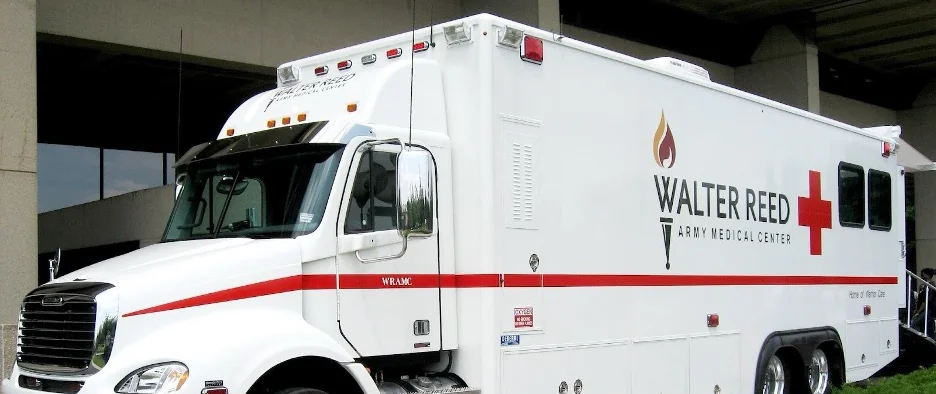

Building Healthcare Mobility: How Medical Trailers Reflect Innovation in Modern Manufacturing
Healthcare delivery is evolving rapidly, driven by the need to reach patients more efficiently while maintaining high standards of care. Mobile medical trailers have emerged as a practical solution, allowing providers to extend services beyond traditional facilities. These units are not only reshaping how care is delivered but also reflecting broader changes in manufacturing, sustainability, and industrial design.
What makes mobile medical trailers particularly compelling is their ability to combine engineering precision with real-world adaptability. They are designed to function as fully operational clinical environments while remaining mobile enough to reach underserved areas. This balance requires a sophisticated approach to fabrication and resource management.
The Rise of Mobile Medical Infrastructure
Mobile healthcare solutions have gained traction as organizations look for ways to address gaps in access. Rural communities, disaster zones, and densely populated urban areas all benefit from the flexibility these units provide. By bringing care directly to patients, mobile medical trailers reduce barriers and improve outcomes.
This shift toward mobility reflects a broader trend in infrastructure planning. Instead of relying solely on fixed facilities, healthcare systems are adopting hybrid models that combine permanent locations with mobile units. This approach allows for greater responsiveness and scalability.
Engineering Medical Trailers for Real-World Performance
Structural Integrity and Mobility
Mobile medical trailers must be engineered to withstand constant transportation while maintaining a stable environment for medical procedures. This requires a strong structural framework that can absorb vibrations and adapt to varying road conditions. Engineers carefully design these units to balance durability with weight efficiency.
Materials such as reinforced steel and lightweight composites are commonly used to achieve this balance. These materials ensure that the trailer remains robust without compromising mobility or fuel efficiency.
System Integration and Reliability
Beyond structure, the integration of medical systems is critical. Electrical systems, climate control, and diagnostic equipment must all function seamlessly within a confined space. This level of integration requires precise engineering and careful planning.
Manufacturers rely on advanced fabrication techniques to ensure that each component works reliably under real-world conditions. This attention to detail is essential for maintaining both safety and performance.
Craftsmen Industries Medical Trailers in Practice
Organizations seeking reliable mobile healthcare solutions often turn to providers like Craftsmen Industries medical trailers for tailored designs that meet specific operational needs. These trailers are built with a focus on functionality, durability, and adaptability, ensuring that they can support a wide range of medical services.
By aligning design with real-world requirements, these solutions enable healthcare providers to deliver consistent, high-quality care in diverse environments. This level of customization is a key factor in the growing adoption of mobile medical infrastructure.
The Role of Manufacturing Strategy and Financing
Producing mobile medical trailers requires significant investment in equipment, materials, and expertise. Manufacturers must balance cost efficiency with quality, ensuring that each unit meets strict standards. This often involves strategic decisions about production methods and resource allocation.
Access to funding plays an important role in supporting these efforts. Resources like guidance on financing manufacturing equipment highlight how companies can secure the capital needed to invest in advanced fabrication technologies. These investments enable manufacturers to improve efficiency and expand their capabilities.
Sustainability and the Future of Fabrication
Sustainability is becoming a central consideration in manufacturing, and mobile medical trailers are no exception. From material selection to production processes, manufacturers are exploring ways to reduce environmental impact while maintaining performance.
One area of focus is reshoring, which aims to bring production closer to end users. Insights from this discussion on reshoring and sustainability highlight how localized manufacturing can reduce emissions and improve supply chain resilience. These principles are increasingly relevant in the production of mobile medical units.
Designing for Patient Experience and Efficiency
The success of a mobile medical trailer depends not only on its engineering but also on its usability. Layouts must support efficient workflows for healthcare professionals while providing a comfortable environment for patients. This includes thoughtful placement of equipment, adequate space for movement, and clear separation of functional areas.
Elements such as lighting, ventilation, and noise control contribute to the overall experience. A well-designed interior can improve both patient satisfaction and operational efficiency, making the unit more effective in delivering care.
Challenges in Deployment and Maintenance
Despite their advantages, mobile medical trailers present challenges that must be addressed. Regulatory compliance is one of the most significant, as units must meet both healthcare and transportation standards. This requires careful coordination during the design and fabrication process.
Maintenance is another key consideration. Regular inspections and updates are necessary to ensure that systems remain functional and safe. Planning for these requirements helps extend the lifespan of the trailers and maintain their performance.
Future Innovations in Mobile Healthcare Fabrication
The future of mobile medical trailers is closely tied to advancements in technology and materials. Improved connectivity, energy-efficient systems, and lightweight composites are expected to enhance both performance and sustainability. These innovations could enable longer deployment periods and expanded capabilities.
Digital integration is also playing a growing role. Telemedicine and remote diagnostics are becoming more common, allowing mobile units to connect with larger healthcare networks. This integration expands the scope of services that can be delivered in the field.
Conclusion
Mobile medical trailers represent a convergence of healthcare needs and manufacturing innovation. By combining engineering precision with adaptability, they provide a practical solution for expanding access to care. Their development reflects broader trends in sustainability, technology, and industrial strategy.
As healthcare systems continue to evolve, the importance of mobile solutions will only increase. With thoughtful design and advanced fabrication, mobile medical trailers will remain a key tool in delivering efficient, accessible, and high-quality care to communities everywhere.