

Over the past decade, the global esports scene has experienced rapid growth, hosting numerous large-scale tournaments and creating a variety of exciting games and esports disciplines. As esports evolves into a billion-dollar industry, it’s no longer just about video games but also about national pride, economic growth, and technological advancement. Many countries are competing for the opportunity to host esports tournaments and field their teams for participation. But which countries are leading in this international competition, and what factors contribute to their success? In this article, we will highlight the top esports nations, analyze the reasons behind their dominance, and showcase the key aspects of their development.
The Beginning of eSports Development
In fact, esports emerged quite a long time ago, despite being a modern industry. Its history dates back to the early 1970s when Stanford University students held a tournament for the video game Spacewar!. The tournament was modest, with only a few dozen participants, but it marked the beginning of a long journey in the development and establishment of esports as an industry. By the early 1980s, esports started attracting wider attention. The first major esports tournament, the Space Invaders Championship, took place in 1980 with over 10,000 participants, which is still considered a large number for esports competitions today. Other tournaments of that era also took place, featuring arcade games like Donkey Kong, Pac-Man, and Tetris.
As technology advanced, more sophisticated projects began to emerge. Games like Doom, Quake, and StarCraft became popular esports titles, and tournaments for these games started drawing large audiences. Specialized platforms, where information about games and tournaments was published, played a significant role in esports' growth. A great example is egw.news, which publishes the latest esports news, top tournament updates, and game guides. Such sites are a true source of knowledge and help increase the popularity of esports.
One of the most important milestones in esports history was the launch of Major League Gaming (MLG) in 2002. MLG was the first professional esports league, helping to legitimize esports as a competitive sport. Since then, the development of esports organizations and large-scale tournaments with significant prize pools and professional teams has rapidly expanded.
China: A Rising Powerhouse in eSports
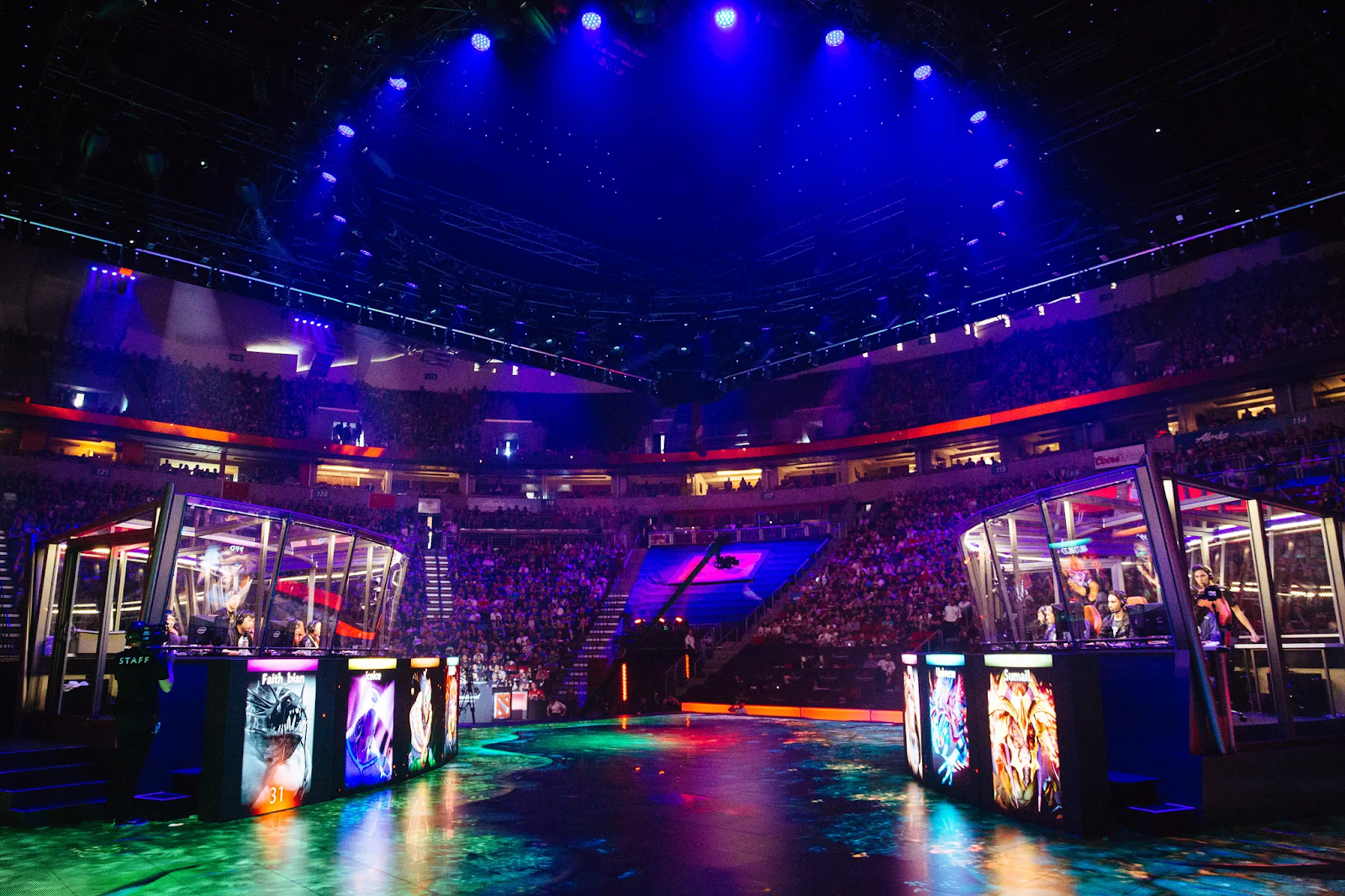
One of the strongest countries in esports is considered to be China. With a population of over 1.4 billion people, technological advancements, and a thriving gaming industry, China has quickly become one of the top esports nations. The Chinese government recognized the potential of esports as a tool for economic growth and has invested heavily in building esports arenas and supporting professional teams.
China is particularly dominant in games like Dota 2, League of Legends, and CS2. Chinese esports organizations, such as Invictus Gaming and PSG.LGD, consistently perform well in international tournaments, regularly reaching the main stages of The International in Dota 2, drawing millions of viewers worldwide. A key element of China’s success in esports is the support of its vast player base, which creates a continuous cycle of talent development.
Another well-developed esports discipline in China is CS2. Numerous academies have been established to nurture players, esports disciplines are integrated into education, and many tournaments are held. This approach has led to significant growth in this esports discipline. Also, a big role in the development of CS2 in China was played by cs go news, because they publish all the news on CS2 and other e-sports disciplines, which helps to increase the popularity of e-sports. This trend can be seen in the increasing number of Chinese teams participating in international CS2 tournaments, further expanding the global talent pool.
United States: A Land of Opportunity for Esports
The United States has emerged as one of the leaders in the esports industry thanks to its strong entertainment infrastructure and significant investments in gaming. While the U.S. initially lagged behind Asia in terms of esports development, it soon began investing heavily in growing the industry.
One of the key driving forces behind the success of esports in the U.S. is large-scale sponsorship. Esports tournaments in the U.S. are often supported by major companies, providing the financial backing necessary to host big events with substantial prize pools. Additionally, American universities have started offering scholarships to esports athletes, adding legitimacy to the profession and helping attract young talent.
As esports has developed, fan interest has also increased. For those curious about how long are csgo games or what csgo cases have butterfly knives, it is widely known that events and leagues in the U.S. have implemented structured formats that prioritize audience engagement and entertainment value.
Europe: A Continent of Diverse Talent
Europe is home to some of the most competitive esports countries, including Sweden, Denmark, and Germany. Each country brings its own unique strengths. Sweden, for example, has been a leader in first-person shooters, with teams from the country winning many top tournaments in Counter-Strike. Danish teams like Astralis and NiP have become synonymous with success in CS tournaments, often setting the standard for gameplay excellence.
One reason for Europe's flourishing esports scene is its diverse talent pool. Different countries specialize in different games, creating a rich competitive environment across various genres. For example, games like Dota 2, Valorant, Fortnite, and League of Legends are thriving in Europe.
Additionally, highly developed gaming communities contribute to the success of esports growth. Many of the most prestigious esports tournaments, such as DreamHack and ESL One, are held in Europe, offering players ample opportunities to compete at a high level. valorant roster news and Dota 2 news are also regularly published, allowing fans to stay updated on all esports events and cheer for their favorite teams.
Conclusion
Gathering all the facts together, it can be said that international esports competitions are a dynamic, ever-evolving landscape where different countries excel in various disciplines. China dominates in Dota 2, the United States has strong financial backing, and European countries perform exceptionally well in CS2. As the esports industry continues to grow, it will be exciting to see which countries rise to the top and how the competition unfolds. Whether you're a fan or a player, you'll find eSports information useful.